Ancestral rites
Gaya Pitru Tarpana for Malaysian families
The ancestral offering performed at Gaya in Bihar, held in the tradition to release the departed and confer peace upon the ancestral line.
What MIFA arranges
- Travel planning from Malaysia
- Accommodation and local transport
- Panda and priest arrangements at Gaya
- Ritual materials and puja coordination
- Pitru Tarpana, Pind Daan and Shraddha
- Sacred-site visits around the town
- Family and elderly assistance
- A MIFA coordinator on group departures
Where the rites are performed
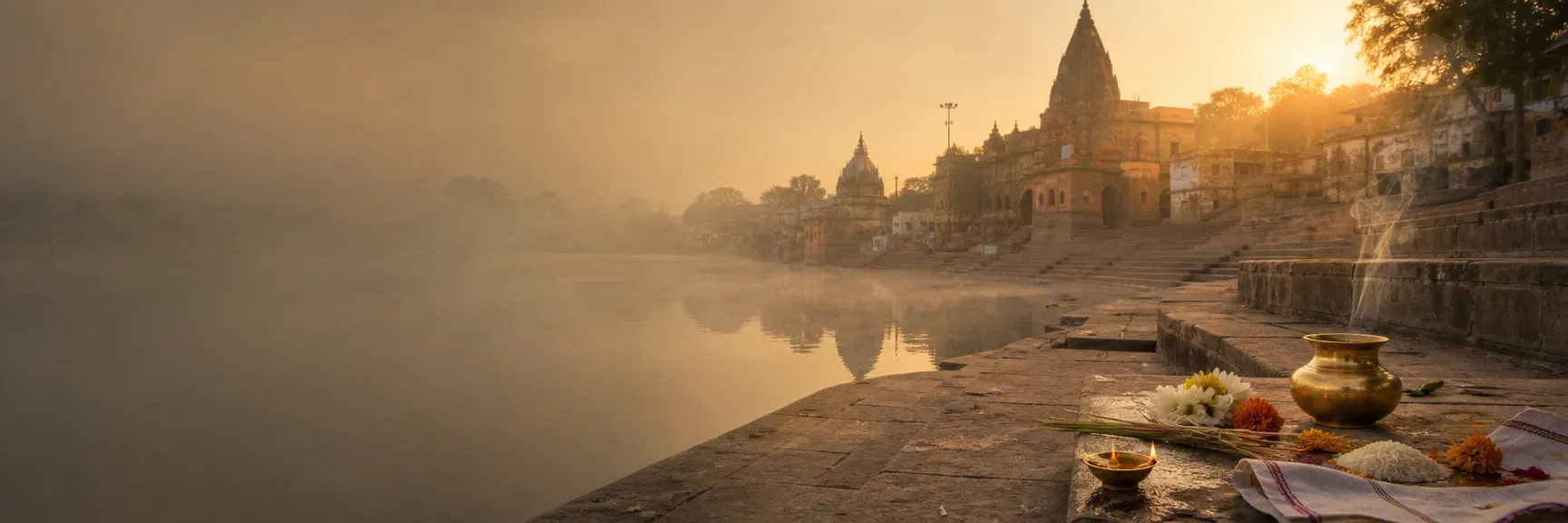
Phalgu river
Traditionally associated with Tarpana and the offering of water to the ancestors.
Vishnupad temple
The principal site at Gaya for Pind Daan, and where most families' rites begin.
Akshayavat
A site traditionally associated with the conclusion of the ancestral observances.
Religious rites remain subject to local priest guidance and applicable requirements. Nothing on this page overrides what your own priest tells you.
Malaysian families who wish to perform Gaya Pitru Tarpana face a practical problem rather than a spiritual one. The rites have to be done correctly, at the right places, with a panda who knows the procedure, in a town most visitors have never been to and cannot navigate. MIFA arranges the whole journey.
What Gaya Pitru Tarpana is
This is written for a Malaysian-born reader who observes the tradition without ever having been taught its reasoning. There is no assumed knowledge here.
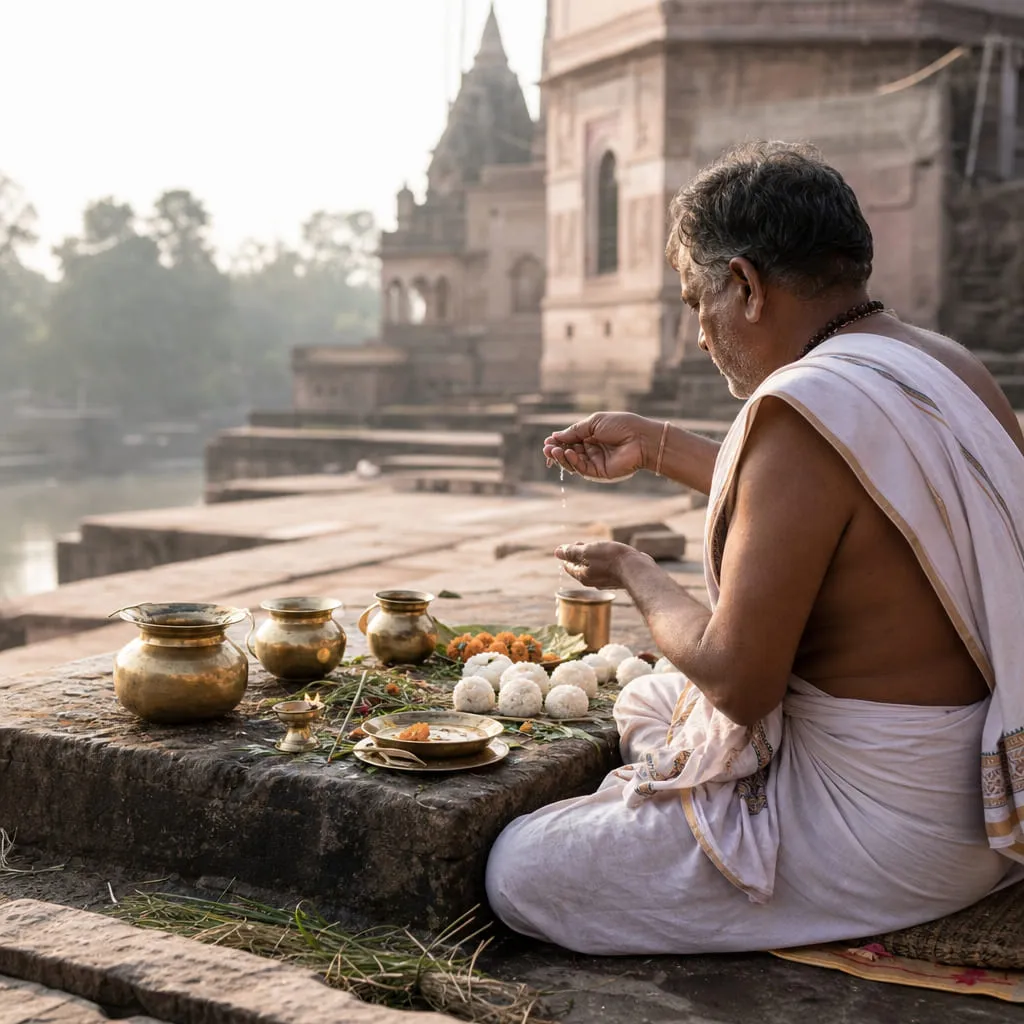
The rites are performed at the Vishnupad temple and at a number of other sites around the town, including the bank of the Phalgu river. A panda — a hereditary priest of Gaya, whose family has performed these rites for particular lineages across generations — conducts them.
Families generally offer for more than one ancestor at a time, and it is usual for one journey to cover a whole line: parents, grandparents, and those before them whose names are still known.
Who performs it and for whom
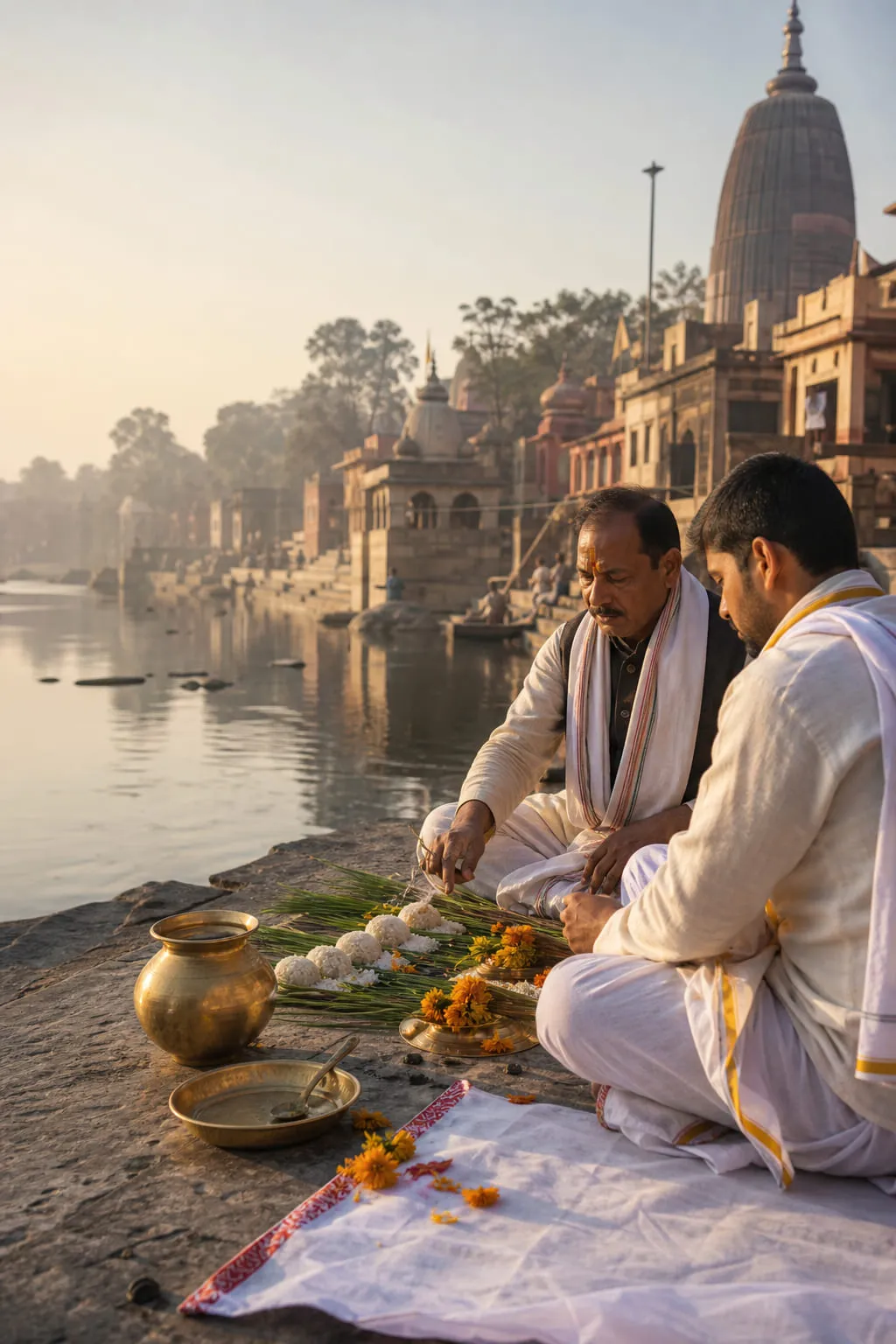
The rites are led by the karta, ordinarily a son of the departed, though as with funeral rites this is more flexible in practice than families assume, and different communities settle it differently.
They can be performed for multiple ancestors in one ceremony. They can be performed where the date of death is unknown, which matters for families whose records were lost across a migration. They can be performed for a person whose body was never recovered.
If you are unsure whether your family’s situation is provided for, the answer is almost always yes. Ask us and we will ask the panda before you book anything.
When it is performed
Pitru Paksha — the fortnight in the lunar calendar set aside for the ancestors — is the period the tradition most strongly associates with these rites, and Gaya is at its busiest then.
The rites may also be performed at other times of year, and for many Malaysian families travelling outside Pitru Paksha is the more practical choice: flights are cheaper, the town is quieter, and the panda has more time.
We are not publishing Pitru Paksha dates on this page until MIFA confirms them. A date given wrongly here would send a family across the world in the wrong fortnight.
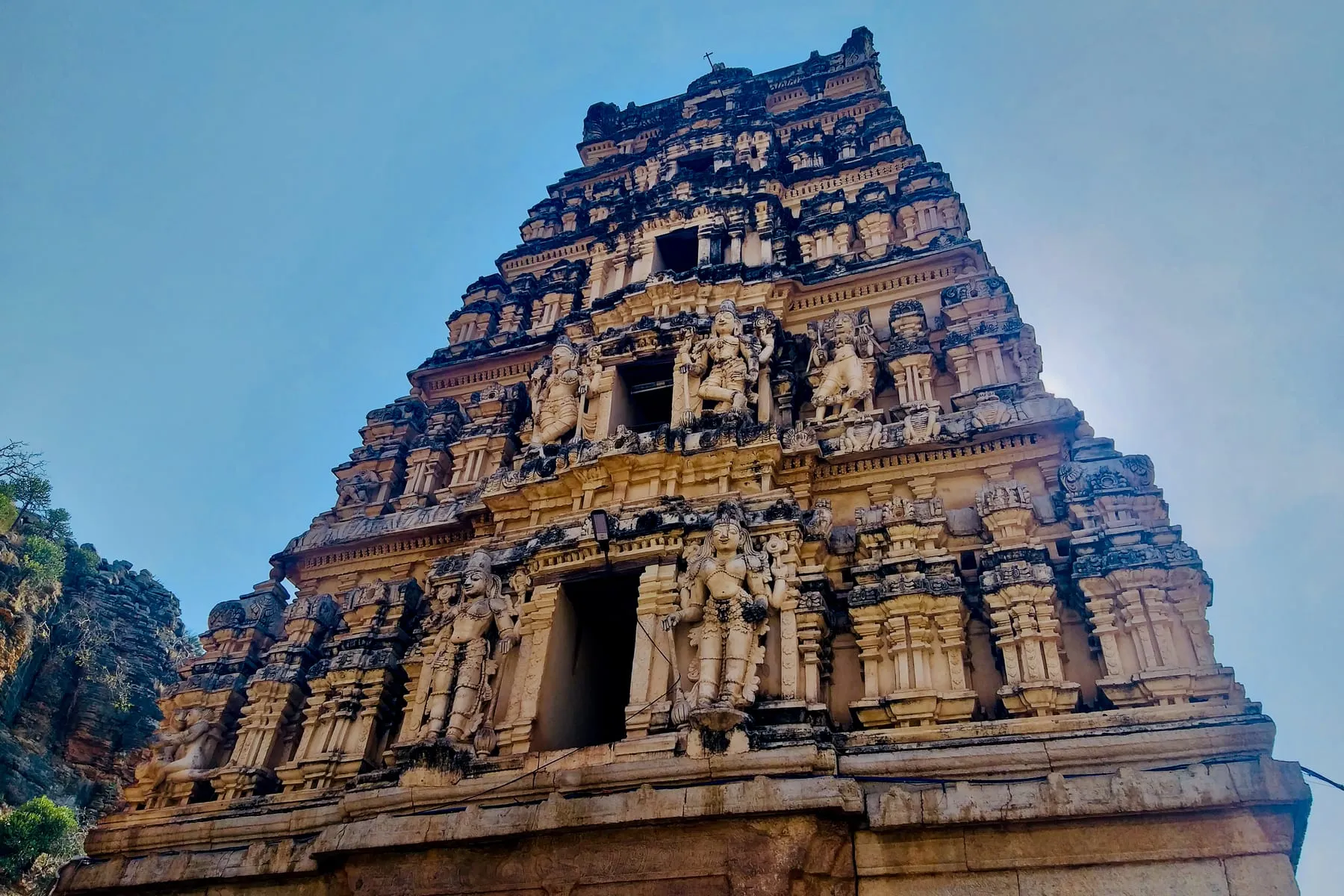
What Gaya Pitru Tarpana is
Gaya, in the state of Bihar, is the place the tradition holds to be the pre-eminent site for offerings made to the ancestors. Rites performed elsewhere are valid; rites performed at Gaya are held to carry a weight that rites elsewhere do not.
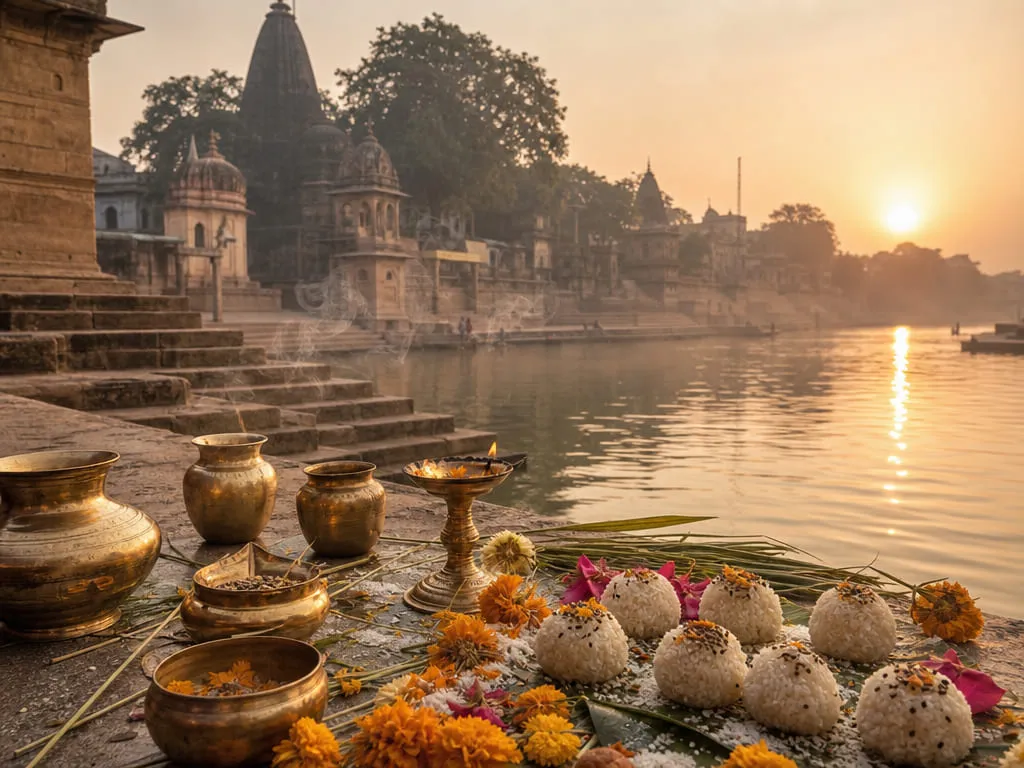
The central act is Pind Daan: the offering of pinda, balls made of rice and other ingredients, made on behalf of named ancestors. Tarpana is the accompanying offering of water. Together they are understood to nourish and settle the departed.
How the journey is arranged
The panda
Engaging a panda at Gaya who knows the procedure, and confirming the ceremony in advance rather than negotiating it on arrival.
Ceremonial items and offerings
Sourced at Gaya to what the rites require, so that the family is not buying them from whoever is standing nearest.
Travel and accommodation
Flights, ground transport and rooms. Gaya is not a town most visitors know, and arriving without arrangements is how families lose two days.
A MIFA coordinator
On group departures, for families who would rather not travel alone or who are taking elderly relatives.
Guidance before you go
What to bring, what to wear, what the observances are, and what actually happens on each day. Written down, not explained once on the phone.
Frequently asked questions
How many days does it take?
The rites at Gaya are performed over a number of days, and the exact length depends on how many ancestors are being offered for and which sites the family visits. We will give you the day count for your case when the panda has confirmed the ceremony, and you should plan the trip around that rather than around your flights.
Can Pind Daan be performed for someone who died many years ago?
Yes. There is no limit in the tradition on how long after a death the rites may be performed, and many families come to Gaya decades later, often for a grandparent or great-grandparent. It is not too late.
Can it be done for someone whose body was never found?
Yes. The rites do not require the body, the ashes, or a known date of death. This is one of the reasons the tradition provides for them: they exist precisely for the cases where an ordinary funeral was not possible.
Do I need to fast, and what are the observances?
There are observances, and they vary by tradition and by what the panda sets. They generally involve restrictions on food and certain conduct on the days of the rites. We will send you the specifics for your ceremony beforehand so that you are not learning them on the morning.
Can it be performed on my behalf if I cannot travel?
In practice, rites are performed at Gaya on behalf of absent family members, and many Malaysian families arrange it this way when age, health or cost makes travelling impossible. Whether it is appropriate for your family is a question for your priest rather than for us. Ask, and then tell us what was said.
Can daughters perform the rites?
Practice varies, and you will find both firm yeses and firm noes depending on who you ask. In many communities daughters perform ancestral rites without question. Raise it when the ceremony is being confirmed rather than on the day.
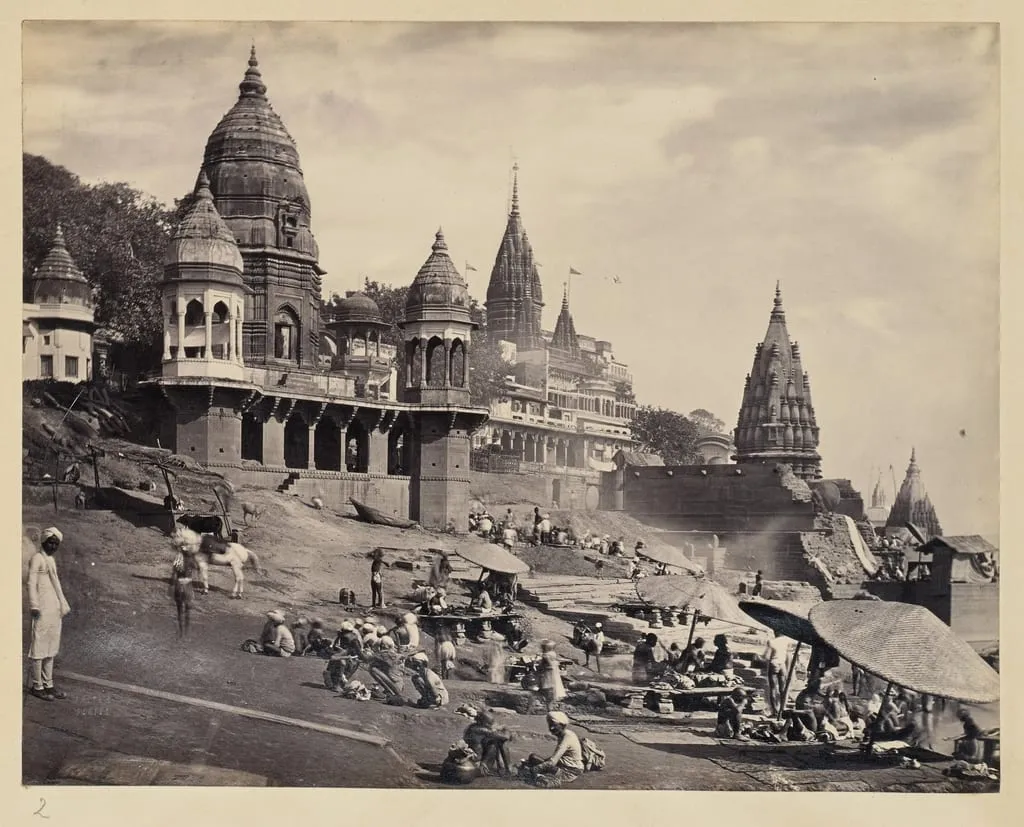
Gaya and Kashi in one journey
Many families do both. The usual sequence is Gaya first and Kashi after, and combining them adds less time than doing them separately in different years.
Ask about this journey
Tell us who the rites are for and roughly when you are thinking of travelling. You do not need to have decided anything — most families write before they know the dates, the cost or whether they can go at all.
If you would rather speak to someone, call+60 16-282 2168.Any hour, every day.